Table of Contents
ToggleNaperville homeowners face a common challenge: keeping a clean, well-maintained house while juggling work, family, and the unpredictable Illinois weather. Whether you’re managing a bustling household or looking to maintain your property’s value, understanding the ins and outs of house cleaning in Naperville is essential. This guide covers everything from deciding whether to hire professional services to tackling DIY cleaning projects like a pro. You’ll learn practical strategies, seasonal considerations specific to Illinois homes, and the tools and products that actually deliver results, not just marketing promises.
Key Takeaways
- Professional house cleaning services in Naperville typically cost $150–$350 per deep clean visit, offering time savings and expertise for busy homeowners and families.
- Combining regular weekly maintenance (2–3 hours) with seasonal deep cleaning prevents overwhelming buildup and keeps your home manageable throughout the year.
- A core toolkit of microfiber cloths, quality mops, brushes, and affordable household items like white vinegar and baking soda handles 95% of cleaning tasks without specialization products.
- Illinois weather—hard water deposits, winter salt tracking, spring pollen, and summer humidity—requires seasonal cleaning adjustments to prevent mold, mineral buildup, and allergen accumulation.
- Dividing house cleaning tasks across the week (bathrooms Monday, kitchen Wednesday, vacuuming Friday) sustains effort better than tackling everything at once for Naperville residents.
Why Professional Cleaning Services Make Sense for Naperville Homeowners
Hiring a professional cleaning service isn’t laziness, it’s time management. Naperville’s demographic skews toward busy professionals, families with school schedules, and aging homeowners who value their limited free time. A typical 2,000 square foot home requires 4–6 hours of deep cleaning work if done thoroughly. That’s a full weekend day, or a weeknight that cuts into family time or rest.
Professional cleaners bring several advantages beyond just labor savings. They understand the durability and care requirements of different surfaces, hardwood versus laminate, granite versus quartz, tile grout versus sealed concrete. They have commercial-grade equipment and products that handle stubborn mildew, mineral deposits from Naperville’s water, and seasonal grime faster than consumer products. Many services are bonded and insured, which matters if something gets damaged.
Cost varies widely. Local Naperville services typically charge $150–$350 for a single-visit deep clean, depending on home size and condition. Recurring weekly, bi-weekly, or monthly services often cost less per visit. For homeowners with young children, elderly family members, or chronic health conditions, the investment often makes sense. Those with flexible time and a tight budget may find DIY the better path.
Essential Cleaning Tasks Every Homeowner Should Know
Deep Cleaning vs. Regular Maintenance
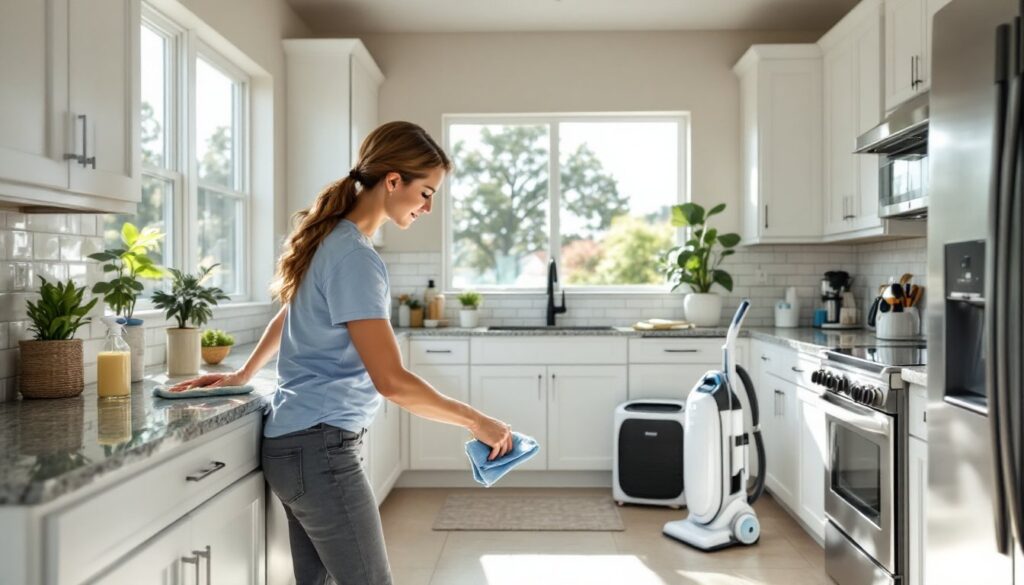
Understanding the difference between regular maintenance cleaning and deep cleaning prevents frustration and wasted effort. Regular maintenance cleaning happens weekly or bi-weekly and includes vacuuming, dusting surfaces, wiping down counters, mopping floors, and cleaning bathrooms. This keeps visible dirt and allergens under control and prevents buildup.
Deep cleaning targets areas and tasks that don’t happen every week: baseboards, light fixtures, ceiling fans, inside appliances, grout lines, and behind furniture. Deep cleans typically happen quarterly or semi-annually. Many homeowners assume a messy house means they’re failing at regular cleaning when the real issue is neglected deep-clean tasks. A realistic schedule combines both: maintain weekly (takes 2–3 hours for most homes) and deep clean seasonally.
Key tasks every homeowner should know:
- Kitchen: Degreasing range hoods, cleaning inside the microwave and oven, wiping cabinet fronts and handles (high-touch areas collect bacteria)
- Bathrooms: Scrubbing tile grout (vinegar or commercial grout cleaner works), descaling showerheads and faucets, disinfecting toilet bowls
- Floors: Vacuuming before mopping prevents streaks, using the right cleaner for your floor type (hardwood, tile, laminate each have different needs)
- Dust: Dusting baseboards, crown molding, and vents, these collect allergens and get overlooked
Non-negotiable prep work: clutter must be cleared from surfaces before cleaning begins. Cleaning around piles of mail, magazines, and toys takes 50% longer and achieves 50% worse results.
DIY Cleaning Strategies for Busy Naperville Residents
Time is the real constraint for busy homeowners. A sustainable cleaning strategy divides tasks across the week so no single day becomes overwhelming. Monday might be bathrooms, Wednesday is kitchen deep-tasks, Friday is vacuuming and mopping, and Saturday is baseboards and light fixtures. This spreads effort and keeps nothing from becoming a disaster area.
Room-by-room focus sessions work better than jumping around. Gather all supplies before starting, cleaning caddies with microfiber cloths, brushes, sprays, and gloves prevent wasted trips. Strategies that work include tackling the dirtiest room first (when energy is highest), using a timer to stay focused, and involving family members with age-appropriate tasks.
Illinois weather compounds cleaning challenges. Hard water minerals from well or municipal systems leave deposits on fixtures and glass. Winter salt tracking from driveways gets ground into carpets. Spring brings pollen and dust storms. Summer humidity promotes mold in bathrooms. Understanding these seasonal stressors helps prioritize tasks. A squeegee in every bathroom (used daily) prevents mold and mildew buildup. Weekly descaling of bathroom fixtures prevents mineral buildup. Entry matts and a mudroom setup reduce tracked dirt. Simple habits prevent the catastrophic deep cleans that feel impossible.
Best Cleaning Products and Tools for Your Home
The market is flooded with cleaning products, but a disciplined core toolkit handles 95% of household cleaning. Avoid the trap of buying specialized cleaners for every surface, it clutters storage and wastes money.
Essential tools:
- Microfiber cloths (trap dust and grease without scratching: reusable and washable)
- Two mop styles: a traditional wet mop for tile and sealed floors, a microfiber pad system for laminate and hardwood
- A stiff brush for grout, shower heads, and baseboards
- Vacuum with HEPA filter (important for allergens, especially in Illinois humidity)
- Squeegee for bathrooms
- Caddy to organize supplies and reduce trips
Product recommendations: White vinegar diluted 1:1 with water handles mineral deposits on glass and fixtures better than brand-name glass cleaners and costs pennies. Baking soda mixed with vinegar tackles grout and drain clogs. Dish soap in hot water cleans most surfaces. For stubborn soap scum, a paste of baking soda and hydrogen peroxide outperforms specialty products. A commercial degreaser (like Dawn or Fels-Naptha) handles kitchen buildup. Disinfectants matter in bathrooms and high-touch areas: regular cleaning with soap removes most pathogens, but EPA-approved disinfectants add a safety layer.
Read product labels and follow dilution ratios. Stronger isn’t always better, over-applying products leaves residue, strips finishes, and wastes money. The most trusted cleaning recommendations come from testing organizations that evaluate products objectively rather than marketing claims. Avoid toxic fume combinations (chlorine bleach and ammonia create poisonous gas: never mix them).
Seasonal Cleaning Checklist for Illinois Homes
Illinois weather cycles create predictable cleaning demands. Aligning your deep-clean calendar with seasons prevents accumulation and keeps homes comfortable year-round.
Spring (March–May): Focus on pollen, dust, and opening the house after winter. Clean windows inside and out, wash window screens, vacuum baseboards and ceiling corners where dust settles, clean light fixtures and ceiling fans (they accumulate dust over winter), wash or replace HVAC filters, clean out gutters, and wipe down all exterior surfaces before pollen season peaks.
Summer (June–August): Heat and humidity create mold risk in bathrooms and basements. Inspect bathroom caulk and grout, run exhaust fans during and 20 minutes after showers, declutter to improve air circulation, and address any moisture issues in crawl spaces or basements. Outdoor entertaining means more foot traffic: maintain entryways and sweep more frequently.
Fall (September–November): Prepare for winter and holiday gatherings. Deep clean kitchen appliances before heavy cooking season, wash down all exterior surfaces (pollen and leaf debris), clean gutters a second time, seal cracks and gaps where cold air leaks, and refresh bathrooms. Organization experts recommend decluttering before the holidays to reduce stress and cleaning time.
Winter (December–February): Salt, snow, and tracked moisture are the enemies. Maintain entryways aggressively (mat replacement, floor treatment), address indoor air quality (winter heating dries homes and concentrates dust), clean heaters and humidifiers, and prevent mold in bathrooms with ventilation. Winter is ideal for interior deep cleans since outdoor work isn’t practical. Design-focused cleaning approaches show that organization prevents clutter and makes maintenance easier.
Conclusion
House cleaning in Naperville is manageable when approached strategically. Decide whether professional services fit your budget and schedule, establish a sustainable weekly routine, and align deeper tasks with seasonal demands. The combination of consistent maintenance, targeted deep cleans, and the right products keeps your home spotless without overwhelming yourself. Start with your baseline, honest assessment of current cleanliness and available time, then build a system that actually works for your life.