Table of Contents
ToggleFort Lauderdale’s tropical climate, coastal salt air, and high humidity create unique cleaning challenges that differ significantly from other regions. Homeowners here deal with mold growth, salt deposits on windows, and sand tracked in from nearby beaches, issues that generic cleaning advice doesn’t always address. Whether you’re managing a sprawling waterfront property or a modest townhome, understanding how to clean effectively in this environment saves both time and money. This guide walks you through the specific strategies that work best for Fort Lauderdale homes, from tackling humidity-related issues to choosing between professional services and DIY solutions.
Key Takeaways
- Fort Lauderdale’s 75% year-round humidity and salt-spray environment demands monthly or quarterly house cleaning schedules, far more frequent than standard cleaning cadences in drier climates.
- Hire professional house cleaning services for specialized tasks like exterior mold remediation, pressure washing, and post-storm water intrusion assessment, while DIY maintenance handles routine vacuuming, bathroom scrubbing, and window cleaning.
- Prevent mold growth by running exhaust fans 20 minutes after hot showers, wiping wet surfaces with microfiber cloths, and maintaining indoor humidity below 60% using dehumidifiers and proper ventilation.
- Remove salt deposits from windows and glass with a vinegar-to-water solution (1:3 ratio), and tackle sand in tile grout using baking soda paste and a handheld grout brush to avoid costly professional restoration.
- Invest in regular post-storm moisture checks within 24–48 hours to detect water spots early and prevent mold colonies, combined with monthly HVAC vent cleaning to combat sand accumulation that reduces system efficiency.
Why Fort Lauderdale Homes Need Specialized Cleaning Strategies
The Fort Lauderdale climate isn’t forgiving to unprepared homeowners. Year-round humidity averaging 75% means mold and mildew don’t just appear in bathrooms, they colonize baseboards, window sills, and exterior walls with alarming speed. Salt spray from the Atlantic corrodes metal fixtures and etches glass, requiring cleaning methods that avoid harsh abrasives that’ll damage finishes. Sand blown inland settles everywhere: in tile grout, on ceiling fans, inside HVAC vents, and between deck boards.
Standard cleaning cadences won’t cut it here. A home in Denver might need deep mold cleaning twice a year: Fort Lauderdale homes need monthly or quarterly attention depending on proximity to the coast. Humidity also accelerates dust accumulation and makes soils stick harder to surfaces, meaning standard off-the-shelf cleaners often underperform.
Underlayment and subfloors are particularly vulnerable. Florida’s water table sits high, and with torrential summer storms and King Tide events, moisture penetration happens faster than in drier climates. This makes preventive cleaning and moisture control part of your home maintenance strategy, not optional.
Professional Cleaning Services vs. DIY Approaches
When to Hire Professional Cleaners
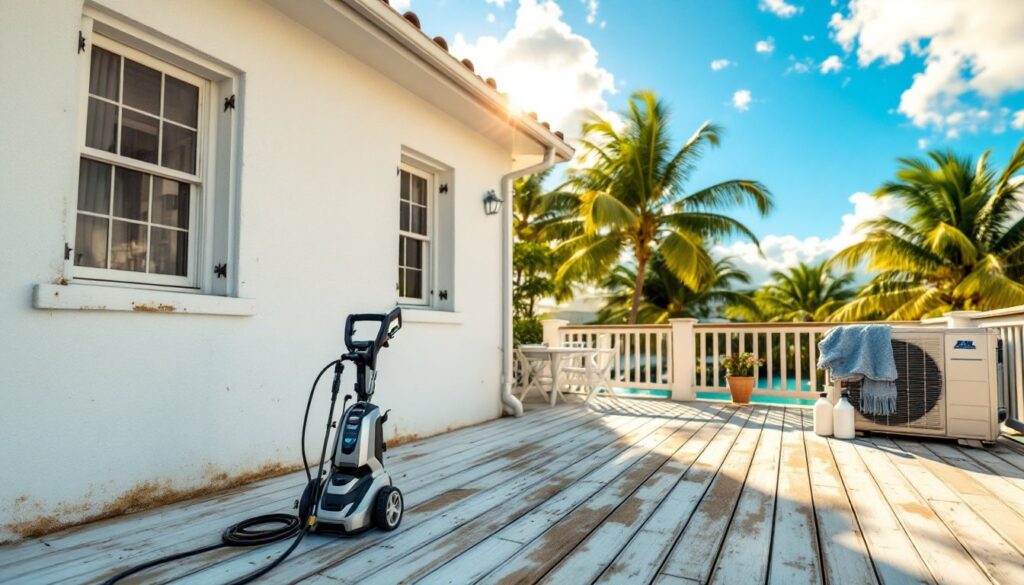
Professional cleaners in Fort Lauderdale earn their fees when the job involves specialized equipment, knowledge of coastal-specific challenges, or scale. A commercial-grade pressure washer (2500–3000 PSI) with proper attachments makes short work of salt deposits on vinyl siding and concrete that’d take hours with a garden hose. Pros know the right chemical formulations, mold-killing treatments rated for Florida’s aggressive strains, pH-balanced solutions safe on coastal stucco, and surfactants that cut salt residue without streaking.
Hire professionals for:
- Exterior mold remediation on siding, soffits, and fascia. DIY attempts with undiluted bleach risk structural damage and health hazards.
- Pressure washing exterior surfaces. Incorrect PSI settings etch wood, damaged grout, and strip paint: pros adjust per material.
- Post-storm cleanup involving water intrusion assessment. They spot hidden moisture and recommend drying strategies.
- Tile and grout restoration on pool decks or bathrooms. Specialized cleaning breaks through mineral deposits and salt crusts.
- HVAC duct and vent cleaning. Sand accumulation reduces efficiency: this requires industrial equipment.
Reputable Fort Lauderdale cleaning companies understand insurance claims documentation, mold testing protocols, and building codes. They’re bonded and insured, critical when water damage or mold enters the conversation.
Budget-Friendly DIY Cleaning Methods
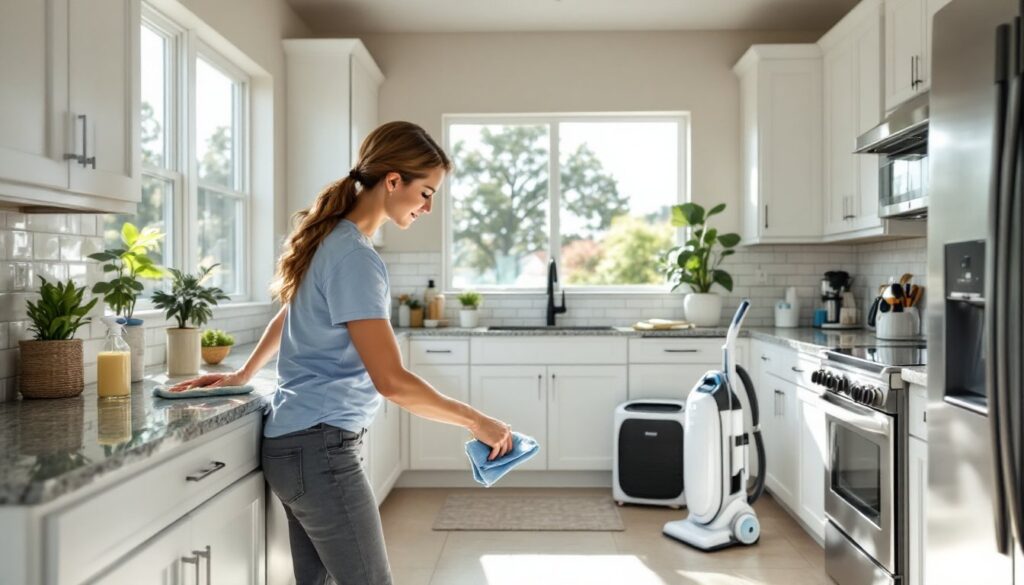
DIY works best for routine maintenance: weekly vacuuming, bathroom tile scrubbing, kitchen grease removal, and monthly surface wiping. You’ll save hundreds annually handling these tasks yourself with basic tools.
For salt-spray cleanup on windows and exterior glass, mix one part white vinegar to three parts water in a spray bottle. Apply, let sit five minutes, then squeegee dry. This approach avoids the mineral buildup that tap water alone leaves behind. Real Simple’s cleaning hacks outline similar vinegar-based solutions that work across multiple surfaces.
Mold prevention on bathroom walls and grout requires ventilation, not just cleaning chemicals. Run exhaust fans during and 20 minutes after hot showers. Wipe down wet surfaces with a microfiber cloth, this reduces moisture and prevents the film where mold spores anchor. For existing bathroom mold, a 1:3 bleach-to-water solution kills spores (use gloves, eye protection, and ensure ventilation). Scrub with a stiff brush, rinse thoroughly, and dry completely.
Sand removal from tile and grout is tedious but doable. Vacuum first to lift loose particles, then mix baking soda with a little water to form a paste. Apply to grout lines, scrub with an old toothbrush, and rinse. For stubborn buildup, a handheld grout brush (about $8–15) saves your fingers and delivers better pressure than a toothbrush.
Exterior wood decks accumulate mold and mildew quickly in Florida’s humidity. Oxygen-based deck cleaners (cheaper than bleach-based ones and safer on wood) lift stains without the corrosive damage. Apply per product instructions, scrub with a deck brush, rinse well, and allow several days of dry weather before sealing. The Spruce’s comprehensive deck maintenance guide covers seasonal upkeep strategies tailored to humidity-prone regions.
For routine interior dusting, microfiber cloths outperform disposable wipes. They grab dust particles electrostatically rather than redistributing them, and they’re washable, reducing costs and waste. Dampen slightly with water or a light all-purpose cleaner: dry microfiber can kick up dust.
Essential Cleaning Tasks for Fort Lauderdale’s Climate
Create a seasonal cleaning checklist to stay ahead of Fort Lauderdale’s humidity and salt exposure.
Monthly tasks:
- Wipe down exterior windows and glass doors to prevent salt film buildup. Baking soda works as a gentle abrasive if vinegar alone doesn’t remove deposits.
- Check and clean HVAC intake vents and return-air filters. Sand accumulation here reduces efficiency and spreads grit into living spaces.
- Bathroom exhaust vent inspection. Ensure it’s drawing moisture effectively: lint or mold blockage is common.
Quarterly deep-cleans:
- Pressure-wash exterior siding and trim (1500–2000 PSI for vinyl: lower for stucco). Hire a pro if your home is stucco or has specialty finishes.
- Scrub ground-level tile, pavers, and concrete for salt and mold. This prevents slick patches that invite mildew growth.
- Inspect and clean window tracks, seals, and weep holes. Salt deposits corrode metal frames and clog drainage.
Post-storm or post-rain checks:
- Look for water spots on ceilings, walls, or around window frames. Early detection prevents mold colonies from establishing.
- Dry out any damp areas with fans or dehumidifiers within 24–48 hours.
- Hose down exterior AC condenser coils to remove salt spray and dust, which impede cooling efficiency.
Invest in a basic humidity monitor (roughly $15–30) for key rooms. Fort Lauderdale humidity should stay below 60% indoors: above that, mold risk escalates. Use fans, dehumidifiers, and ensure bathroom and kitchen vents are vented outside (not into attics).
Good Housekeeping’s product reviews can help you evaluate dehumidifiers and air filters designed for high-humidity climates. Skip cheaply made units: they’ll fail under constant use and waste money.
Conclusion
Fort Lauderdale’s cleaning demands are real, but manageable with the right strategy. Routine DIY maintenance prevents expensive mold remediation and structural damage. Knowing when to call professionals, for pressure washing, mold treatment, and post-storm assessment, protects your investment. By understanding your home’s unique vulnerabilities to salt, humidity, and sand, you’ll keep it cleaner, healthier, and longer-lasting.